
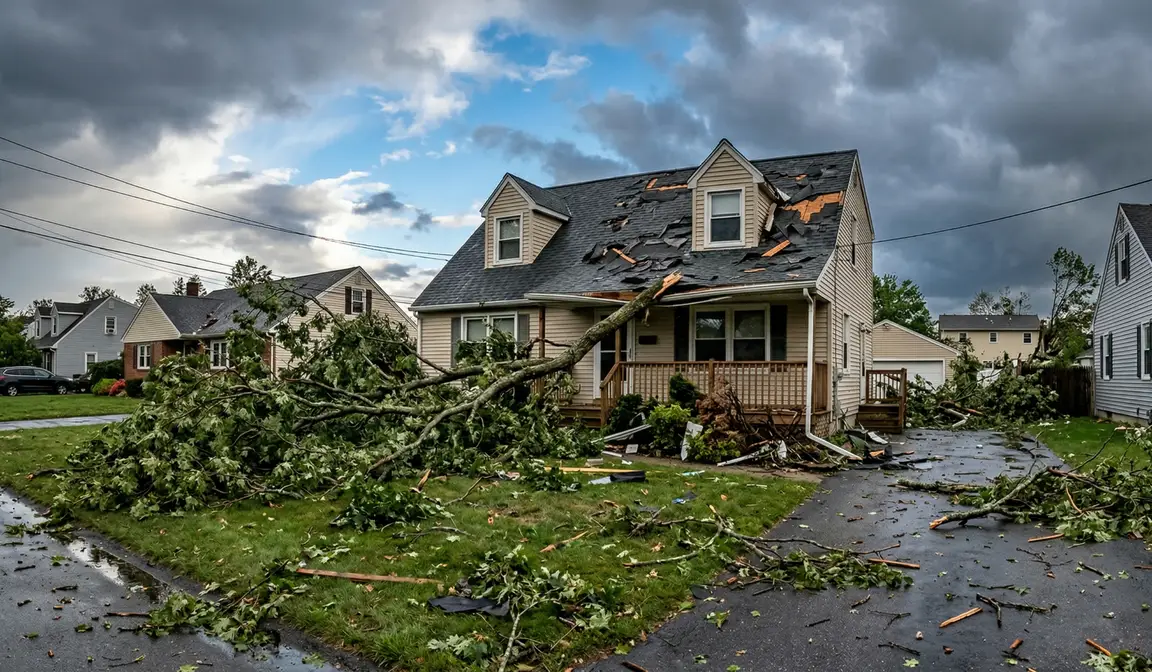
A storm can turn a routine home sale into a pricing, insurance, and disclosure problem within a single night. For owners searching for clarity, this Ultimate Guide Article – Selling Storm Damaged Houses explains how to protect value, reduce legal risk, and choose the right sale path. You will learn how buyers, lenders, insurers, and real estate professionals evaluate a storm-damaged house, and what decisions matter most before you sign a contract.
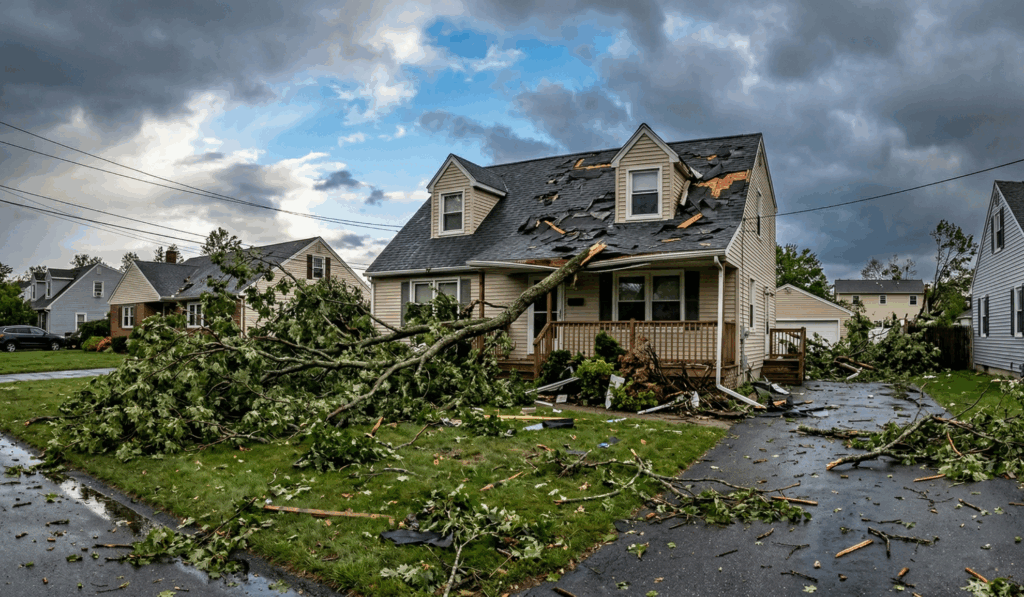
What Selling a Storm-Damaged House Really Involves
A storm-damaged house can usually be sold in almost any condition, but the route you choose changes your price, timeline, and level of stress. That tradeoff matters because a retail buyer with financing, an investor buyer, and a cash buyer each price risk differently.
Common storm scenarios include wind damage, hail damage, fallen trees, roof damage, water intrusion, power surges, mold risk, and in some cases flood damage that turns the property into a flooded house or broader disaster-damaged home. Each type of damage affects value in a different way, because buyers discount uncertainty more aggressively than visible defects.
Most sellers choose one of three routes: repair and list on the MLS, list the property in current condition with full property disclosure, or sell as-is to a cash buyer or investor buyer. The best route depends less on emotion and more on available cash, insurance timing, repair complexity, and whether the house can qualify for financing.
Storm damage is often described with overlapping labels that influence marketing and financing. A disaster-damaged home usually refers to damage tied to a natural disaster event, while a distressed property often refers to financial pressure, deferred maintenance, or a seller who needs speed, and those labels attract different buyer pools.
“As-is” is a sales term, not a legal shield. Selling as-is may limit repair negotiations, but state disclosure laws still require honest disclosure of known defects, prior water intrusion, mold remediation, insurance claim history, and other material facts.
Sometimes the smartest move is to pause the sale. Structural damage, active leaks, electrical system hazards, or unstable framing can create safety issues that scare buyers, block showings, and increase the chance of a real estate lawsuit if someone is injured.
Insurance timing also matters. Selling before documenting damage, meeting the insurance adjuster, and understanding claim options can reduce your leverage and leave money uncollected.
Immediate First Steps After the Storm (Before You Call Buyers)
Your first job is safety, not marketing. Secure the property, stop additional damage through mitigation, and keep people away from unstable roofs, exposed wiring, standing water, or tree impact areas because preventable post-storm deterioration can weaken both your insurance claim and your negotiating position.
Mitigation includes tarping roof openings, boarding broken windows, removing standing water, and arranging cleanup that prevents mold and rot. Insurers often expect reasonable mitigation, and buyers read delayed cleanup as a sign that hidden damage may be worse than the seller admits.
Document everything before major repairs begin. Photos, video, timestamps, weather dates, and receipts create a factual record that helps the insurance adjuster, supports pricing decisions, and reduces buyer suspicion during due diligence.
Open an insurance claim early and learn what the carrier needs. A well-documented claim can change your net proceeds dramatically, because reimbursement for roof damage, water intrusion, or electrical system loss may determine whether repair-and-list is realistic.
Documenting Damage Like a Pro
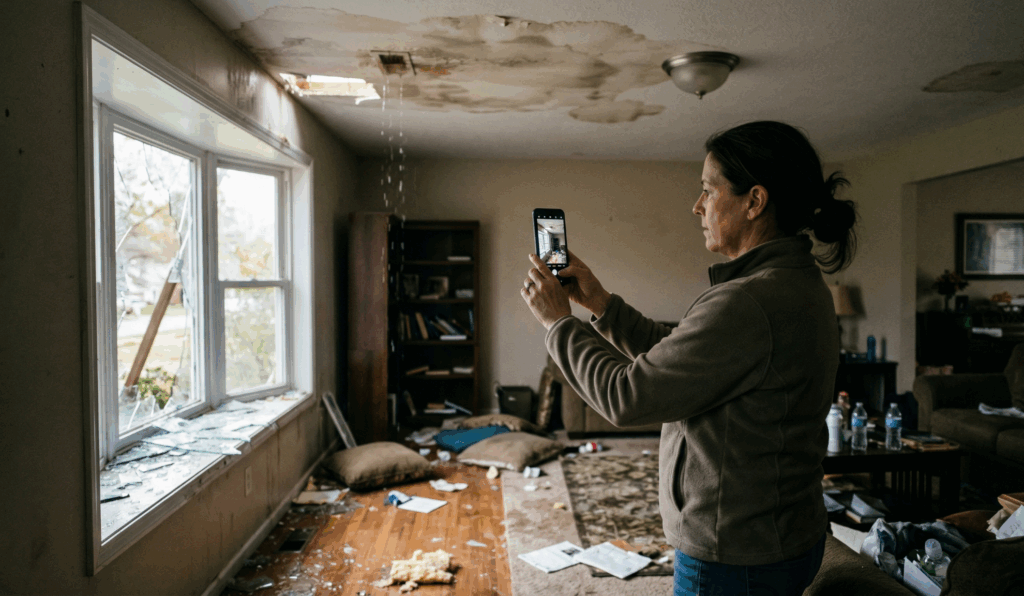
Create a room-by-room log and an exterior checklist. Include ceilings, walls, flooring, windows, doors, attic, roof, siding, gutters, foundation, HVAC, appliances, and any signs of structural damage or foundation damage, because organized evidence is more persuasive than scattered photos.
Keep a single file for contractor estimates, invoices, temporary repair receipts, permit records, and communications. Buyers and underwriters trust documented work more than verbal assurances, and complete records can narrow the discount investors apply for unknown risk.
Insurance Claim Basics That Affect Your Sale
Actual cash value and replacement cost are not the same. Actual cash value deducts depreciation, while replacement cost may reimburse more fully after qualifying repairs, so the payout structure directly affects whether a low cash offer is truly competitive.
Confirm whether any claim rights, warranties, or repair contracts are assignable or transferable. Assumptions about transferability can derail a closing, especially when a buyer expects to benefit from open insurance work that the insurer never agreed to honor.
Assessing the Damage: Inspection, Scope, and Real Costs
If damage is obvious, the sale challenge is usually pricing; if damage is unclear, the sale challenge is uncertainty. A professional home inspection, and sometimes a roofer, electrician, plumber, or structural engineer, helps separate cosmetic issues from defects that can kill financing or trigger steep devaluation.
Focus first on major systems. Roof damage, framing movement, electrical system problems, plumbing leaks, HVAC exposure, and foundation damage affect habitability and lender approval far more than stained drywall or dented gutters.
Repair timelines are often longer than sellers expect. Permitting delays, contractor shortages after regional storms, and material backorders can turn a two-week plan into a two-month holding cost problem, which is why carrying costs belong in every sale decision.
Common Hidden Issues After Storms
Water intrusion is the most underestimated post-storm problem. It can lead to mold, insulation damage, wood rot, warped subfloors, and concealed electrical risks, and those hidden conditions are exactly what buyers assume when documentation is weak.
A small roof leak can create a much larger interior issue. Ceiling stains, wet attic decking, and compromised light fixtures signal that the visible damage may be only the outer layer of a broader repair scope.
What Buyers and Lenders Will Flag
Buyers and lenders look hard at habitability items. Active leaks, missing shingles, unsafe stairs or railings, exposed wiring, broken windows, and soft flooring raise immediate concerns because they suggest the property may not meet underwriting or appraisal standards.
An appraisal can fail even when a buyer still wants the house. Underwriters often reject properties with unresolved condition issues, which means financed deals are more fragile than cash transactions when storm damage remains open-ended.
Decide: Repair and List, Sell As-Is, or Take a Cash Offer

The right decision comes from four variables: cash on hand, time pressure, tolerance for repair risk, and local market strength. Sellers who ignore even one of those variables often chase a higher price and end up with lower net proceeds.
Compare outcomes using a net sheet, not just headline offers. A higher list price can lose to a lower cash offer once you subtract repairs, carrying costs, agent commissions, inspection contingency concessions, and the risk of a failed appraisal.
Storm-damaged homes are bought by investors, some contractors, a limited number of iBuyers, and occasional owner-occupants willing to renovate. Each group values certainty differently, which is why the same house can attract offers that vary widely even within the same week.
Repair-and-List: When It Makes Sense
Repair and list usually works best when damage is moderate, funds are available, and neighborhood comparable sales support a strong After Repair Value. In those cases, restoring financeable condition expands the buyer pool and can recover more value than a fast sale.
A pre-list home inspection, completed permits, and receipts reduce fear. Buyers pay more when they can verify what was fixed, who did the work, and whether the repairs addressed root causes rather than surface symptoms.
Sell As-Is: What It Really Means
To sell as-is means you are offering the property in current condition, but you can still clean, secure, and document it. That distinction matters because basic cleanup and mitigation often improve buyer confidence without forcing you into a full renovation.
Investor pricing usually starts with ARV, then subtracts repair costs, holding costs, transaction costs, and a risk margin. The larger the unknowns around mold, structural damage, or insurance disputes, the larger that discount becomes.
Cash Buyers and Investors: How Offers Are Calculated
Most investor offers are built from ARV and estimated repairs, but formulas vary by market, financing costs, and local demand. Sellers should ask how the buyer calculated repairs, because vague estimates often hide room for a later renegotiation.
Review fees, assignment clauses, inspection periods, and proof of funds before accepting. A strong cash offer includes transparent terms and verifiable funds, while weak buyers rely on long contingencies and pressure tactics to re-trade later.
Pricing a Storm-Damaged House (Without Leaving Money on the Table)
Pricing starts with condition-adjusted comps, not standard comparable sales from fully repaired homes. If your house has roof damage, water intrusion, or unresolved mold risk, retail comps without those defects will overstate market value and increase days on market.
A storm-damaged house also carries stigma and uncertainty. Buyers discount not just the visible repair bill, but the possibility of hidden damage, permit issues, insurance complications, and future disclosure concerns if they later resell the property.
Use a net sheet to compare scenarios side by side. The right question is not “What price can I ask?” but “What do I keep after repairs, carrying costs, concessions, and closing risk?”
How Storm Damage Impacts Value
The biggest devaluation drivers are roof condition, water or mold history, foundation movement, structural damage, and gaps in documentation. Buyers can tolerate defects they understand, but they heavily penalize defects that feel open-ended or legally risky.
Professionally repaired damage with permits, warranties, and receipts can reduce discounting. Documentation converts uncertainty into evidence, and evidence is what narrows the spread between investor pricing and retail pricing.
Setting a Negotiation Strategy
Choose your concession strategy before listing. Repair credit, price reduction, or seller-completed repairs can each work, but indecision during escrow often encourages buyers to ask for more than the issue is worth.
Expect re-trades after inspection when damage is storm-related. The best response is to compare the buyer’s request to your own estimates and decide quickly whether preserving the deal is worth the concession.
Legal Disclosures and How to Avoid Lawsuits
A seller should disclose known storm damage, prior repairs, water intrusion, flood damage, mold remediation, electrical issues, and insurance claim history honestly and in writing. Clear disclosure protects the buyer, but it also protects the seller by reducing the chance of a real estate lawsuit after closing.
State disclosure laws vary, but “buyer beware” rarely eliminates a seller’s duty to disclose material facts. Courts tend to focus on what the seller knew, what was documented, and whether omissions affected the buyer’s decision.
A thorough paper trail is your best defense. Estimates, permits, invoices, warranties, insurance correspondence, and receipts show that you acted transparently and give your real estate agent or attorney facts to work with if disputes arise.
What to Disclose (Typical Categories)
Typical disclosure categories include roof leaks, flooding, mold, structural repairs, electrical damage, plumbing failures, prior insurance claims, and recurring drainage problems. Material facts remain material even if repaired, especially when the problem could recur.
Disclose what happened, what was repaired, and what remains unresolved. Buyers are more likely to proceed when the scope is defined, while vague language invites fear, extra inspections, and legal scrutiny.
Working With an Agent or Attorney
An experienced real estate agent helps with pricing, MLS language, buyer screening, disclosure strategy, and negotiation. That expertise matters most when damage is significant enough to affect financing, appraisals, or buyer trust.
A real estate attorney is especially useful for title issues, inherited property, complex insurance claim disputes, or contested disclosures. Legal review costs far less than defending a lawsuit built around incomplete paperwork or careless statements.
Marketing the Home: Photos, Language, and Buyer Targeting
Marketing should match the sale path. A retail listing needs clarity about completed repairs and financeability, while an investor-facing sale should emphasize scope, access, documentation, and speed to close.
Transparent language saves time. Accurate descriptions reduce wasted showings, prevent failed contracts, and attract buyers whose expectations match the property’s real condition.
Prepare a damage and repairs packet. Include inspection reports, contractor estimates, insurance documents, permits, invoices, and receipts, because serious buyers make faster decisions when uncertainty is organized into a clear file.
Listing a Storm-Damaged Home on the MLS
An MLS listing should state what has been repaired, what has not, and whether the home is safe for standard showings. Precision in listing remarks helps your agent avoid attracting financed buyers to a property that currently fits only cash or renovation financing.
Address obvious safety items before opening broad showings. Even minor mitigation can improve photos, reduce liability, and make the property feel managed rather than abandoned.
Selling Off-Market to Investors
Compare off-market offers on total terms, not just price. Closing date, contingencies, fees, closing costs, earnest money, and proof of funds often matter more than a nominally higher number.
Watch for vague contracts, long inspection windows, and pressure to sign immediately. If you need a local fast-sale option, some sellers start by reviewing resources such as sell my house fast clarksville tn and then compare those terms against agent-listed and investor alternatives.
Closing the Sale: Appraisals, Repairs, Credits, and Insurance Timing
Closing a storm-damaged sale usually depends on whether the buyer is paying cash or using financing. Financed deals face appraisal and underwriting scrutiny, while cash deals reduce condition risk but often come with steeper discounts.
Repair credits can solve timing problems when work is minor and well-defined. They work less well when damage is uncertain, because lenders may still require repairs before closing and buyers may fear the credit will not cover the true cost.
Coordinate insurance claim proceeds, contractor invoices, and closing disclosures carefully. If claim money is pending or repairs are incomplete, every party needs to know who gets paid, what work remains, and whether any escrow holdback is required.
Financing Challenges and How to Prevent a Failed Deal
FHA, VA, and USDA loans often require safety and habitability repairs before closing. That makes active leaks, broken windows, exposed wiring, and damaged roofing more than cosmetic issues because they can stop the loan entirely.
A cash buyer reduces appraisal and condition risk. Cash does not eliminate disclosure duties, but it often shortens the path from accepted offer to closing when the property has unresolved storm-related defects.
Final Walkthrough and Post-Storm Surprises
Keep utilities on when possible. Buyers want to confirm that systems function, and a dark, disconnected house invites assumptions that the damage is worse than disclosed.
Re-check the property after rain before the final walkthrough. New leaks or moisture changes should be documented immediately, because last-minute surprises are easier to solve with evidence than with verbal explanations.
Examples, Common Mistakes, and Key Takeaways
A minor hail damage case often supports repair then list. If the roof replacement is documented and the rest of the house is sound, the seller can restore financeable condition and capture stronger retail pricing.
A major water intrusion case often favors selling as-is with full disclosure. When mold risk, damaged insulation, and uncertain interior scope remain, speed and certainty may outweigh the upside of a long repair timeline.
A tree-impact case usually needs a structural engineer before any pricing decision. Targeted repairs can preserve value, but only if the seller understands whether the event caused structural damage or foundation movement beyond the visible area.
Common mistakes include delaying documentation, over-improving cosmetic items while major systems remain damaged, hiding defects, and accepting the first offer without comparing net proceeds. Storm sales punish guesswork because every hidden variable becomes a discount in the buyer’s model. If you’re exploring other situations, read our guide on selling a fire-damaged house.
What Not to Fix Before Selling
Do not spend heavily on cosmetic upgrades when the roof, electrical system, or moisture issues are unresolved. Buyers and appraisers care far more about safety, dryness, and structural soundness than about new countertops in a compromised house.
Do not start repairs you cannot finish or permit properly. Incomplete work scares buyers, complicates appraisal review, and can create fresh disclosure problems that did not exist before the project began.
Quick Seller Checklist
Use this checklist before you market the property:
- Take photos and videos of all damage.
- Open the insurance claim and save the claim number.
- Order inspections or specialist evaluations as needed.
- Collect contractor estimates, permits, invoices, and receipts.
- Complete disclosure forms accurately.
- Build an offer comparison grid for price, fees, contingencies, timeline, and proof of funds or pre-approval.
A storm-damaged house can sell successfully when the seller replaces uncertainty with documentation and chooses a strategy that fits the property’s real condition. The strongest results usually come from disciplined pricing, honest disclosure, and a clear comparison of repair-and-list, as-is, and cash-offer outcomes. See how cash home buyers work for faster sales.
Frequently Asked Questions
What devalues a house the most?
Structural problems, roof failure, water intrusion, mold, and unresolved permit or disclosure issues usually cause the biggest value drops. Buyers discount both repair cost and uncertainty, so hidden risk often hurts more than visible damage.
What is the hardest month to sell a house?
In many markets, late fall and winter are slower because buyer traffic drops and weather complicates inspections and repairs. Local seasonality matters more than any single month, especially after a regional natural disaster.
What is the most common reason a property fails to sell?
Overpricing is the most common reason, especially when condition-adjusted comps are ignored. Storm damage, financing limits, and buyer repair costs must be reflected in the asking price.
What not to fix before selling a house?
Avoid low-ROI cosmetic upgrades when major systems are compromised. Prioritize mitigation, leak prevention, safety, and documentation, and do not begin repairs you cannot complete correctly.